Health & Wellness
Lyposingrass: What Is It and Is It a Real Plant?

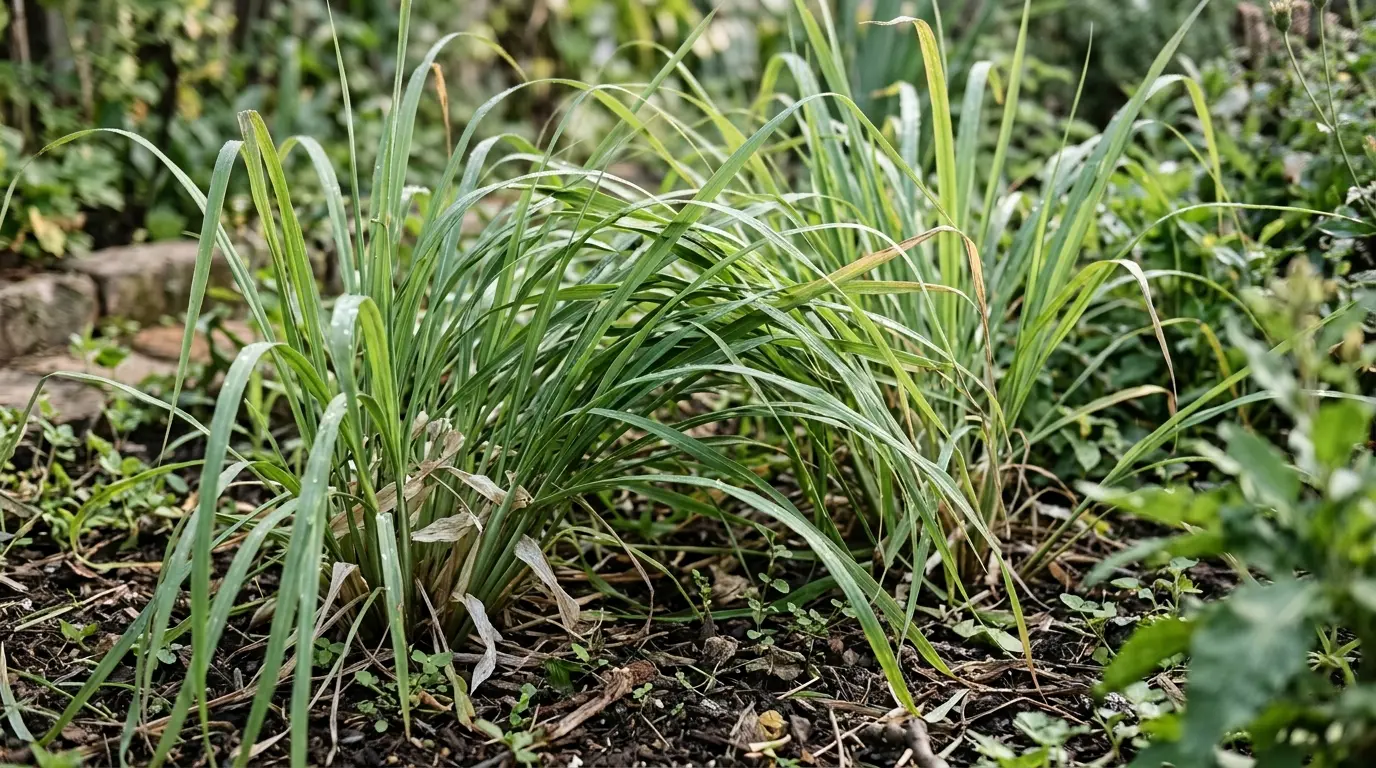
Lyposingrass sounds like the name of an unusual plant. Search for it online, however, and you may find several different explanations. Some websites describe a tropical grass used in herbal drinks. Others connect it with ornamental garden plants or natural wellness products.
Unlike familiar plants such as lemongrass or lavender, Lyposingrass does not have a clearly established botanical identity. That makes it difficult to confirm where it grows, what it contains, or whether it has any practical benefits.
Understanding that distinction is the best place to start.
What Is Lyposingrass?
Lyposingrass is an unclear term appearing in online discussions about plants, gardening, herbal ingredients, and wellness.
At present, it is not established as the accepted scientific name of a particular plant species.
This matters because plants are normally identified through botanical names that distinguish one species from another. Common names can vary between countries, but scientific names provide a more reliable way to identify them.
For example, the scientific name of common lemongrass is Cymbopogon citratus. That name identifies a particular aromatic grass used in cooking and beverages.
Lyposingrass does not have an equally clear identification.
The name may be an informal label, a spelling variation, or a term used in online content. Without additional information, there is no reliable way to know which plant a writer or seller intends to describe.
Why Is Lyposingrass Appearing Online?
One reason Lyposingrass attracts curiosity is that its name sounds botanical, even though its meaning remains uncertain.
Articles discussing the term have connected it with several subjects, from ornamental gardening to herbal products. Once these descriptions appear online, other websites may repeat them.
That can create the impression that Lyposingrass is a well-known plant with established characteristics.
But repeated descriptions are not the same as independent evidence.
A real botanical identification should ideally include a scientific name, plant family, physical characteristics, and documented growing conditions.
Without those details, descriptions of a plant’s origin or special properties remain difficult to verify.
Is Lyposingrass the Same as Lemongrass?
Some online descriptions suggest that Lyposingrass may refer to lemongrass.
There are similarities in the way the two are sometimes described. Both names appear in discussions involving grass-like leaves, natural fragrances, and herbal uses.
However, those similarities do not establish that they are the same plant.
Lemongrass is a recognized member of the grass family Poaceae. According to the Royal Botanic Gardens, Kew, Cymbopogon citratus is an accepted species native to southern India and Sri Lanka.
Its leaves have a recognizable citrus fragrance, and the plant is used in cooking, beverages, and other applications.
These facts apply to identified lemongrass. They cannot automatically be transferred to something labeled Lyposingrass.
If you encounter the unfamiliar name on a product or plant label, check whether the scientific name Cymbopogon citratus is provided.
Could Lyposingrass Refer to Liriope?
Another possible source of confusion is Liriope, a group of ornamental plants commonly used in gardens.
One familiar species, Liriope muscari, has long, narrow leaves that resemble grass. It is often planted as ground cover or along garden borders.
Despite its appearance, Liriope is not a true grass. It belongs to the Asparagaceae family.
The Royal Botanic Gardens, Kew recognizes Liriope muscari as a separate botanical species.
Some websites associate Lyposingrass with Liriope, but there is no established basis for treating the names as interchangeable.
This distinction is particularly important when discussing food or herbal uses. An ornamental garden plant should never be assumed to have the same uses as an edible culinary herb.
What Are the Claimed Benefits of Lyposingrass?
Online descriptions sometimes associate Lyposingrass with digestion, antioxidant activity, immune health, and general wellness.
These claims sound familiar because similar benefits are often discussed in relation to established herbs and plant extracts.
The problem is that Lyposingrass itself has not been clearly identified.
Without knowing the actual species or ingredients, researchers cannot reliably determine its chemical composition or evaluate specific health effects.
For instance, some recognized herbs contain natural compounds that have been investigated in laboratory studies. Those findings apply to the identified plants and preparations used in the research.
They do not establish benefits for a differently named or unidentified product.
There is currently no reliable basis for claiming that Lyposingrass treats digestive problems, improves immunity, supports weight loss, or prevents disease.
Anyone considering an herbal product should focus on its verified ingredients rather than broad wellness promises.
Can Lyposingrass Be Used in Tea or Cooking?

Descriptions of Lyposingrass sometimes mention herbal teas, food flavoring, or traditional preparations.
These uses may come from comparisons with lemongrass, which has a well-documented culinary history.
But an unfamiliar plant name is not enough to establish that something is edible.
Before preparing any plant for consumption, its species should be identified correctly.
A package with a clear botanical name and ingredient list provides more useful information than a vague description of natural benefits.
If the label simply says without identifying the plant, there is no sound reason to assume it is suitable for tea or cooking.
Can You Grow Lyposingrass in Your Garden?
Growing instructions are another area where the uncertain identity creates problems.
Different plants need different amounts of sunlight, moisture, space, and protection from cold weather.
Lemongrass generally prefers warmth and plenty of sunlight. Liriope, on the other hand, is commonly grown as an ornamental perennial and can tolerate different garden conditions depending on the species and climate.
A gardening guide cannot responsibly provide one set of growing instructions for both plants.
If a nursery sells something under the name, ask for its scientific identification before planting it.
Once the species is confirmed, established horticultural guidance can help you choose suitable growing conditions.
Is Lyposingrass Safe?
There is no reliable way to make a general safety claim about Lyposingrass because the name does not identify one known substance.
Safety depends on what a particular plant or product actually contains.
A botanical ingredient may be suitable for ordinary food use but unsafe in concentrated forms. Other plants may cause allergic reactions or interact with medications.
For supplements, the amount consumed, formulation, quality, and other ingredients also matter.
Acıbadem Healthcare Group also discusses as an unfamiliar term rather than a clearly established medical substance. This reinforces the importance of identifying the actual ingredients before making assumptions about safety.
If you find a supplement promoted under this name, look for a complete ingredient list, manufacturer details, and clear usage information.
Avoid taking an unidentified herbal substance simply because it is described as natural.
How to Check Information About Lyposingrass
When researching an unfamiliar plant, start with its identity rather than its advertised benefits.
A useful first step is to look for a scientific name. Reliable botanical resources, including Plants of the World Online, provide information about recognized plant species and their classification.
If the name appears on a supplement, check the complete ingredient list and the company responsible for manufacturing it.
For medical claims, look for research involving the exact ingredient rather than a vaguely similar herb.
It is also worth checking whether several websites are repeating the same unsupported descriptions.
A detailed article can appear convincing without providing evidence that the plant it discusses has been correctly identified.
Conclusion
Lyposingrass is an unusual name, but the available evidence does not establish it as a distinct plant species or verified herbal ingredient.
Some online descriptions connect it with lemongrass, while others point toward ornamental plants or wellness products. These explanations should not be treated as interchangeable.
For anyone researching, the most useful step is to identify the actual plant or product behind the name.
Until that information is available, claims about its benefits, growing requirements, and safety remain unverified.
FAQs
Is Lyposingrass a real plant?
Lyposingrass is not currently established as the accepted scientific name of a specific plant. It may be an informal or commercial name, but its identity needs confirmation.
Is Lyposingrass another name for lemongrass?
Some online sources connect the terms, but they are not confirmed synonyms. Common lemongrass is scientifically known as Cymbopogon citratus.
Does Lyposingrass have health benefits?
There is no reliable evidence establishing unique health benefits for Lyposingrass as an identified ingredient or species.
Can you eat Lyposingrass?
Do not consume a plant based on this name alone. Its exact botanical identity and suitability for consumption should be confirmed first.
Where does Lyposingrass grow?
A specific native region or growing environment cannot be established without knowing which plant the name refers to.
Is Lyposingrass a medicinal herb?
Lyposingrass is not recognized as a clearly identified medicinal herb. Claims about its therapeutic properties should not be treated as established facts.

-

 News5 days ago
Fintechzoom.io Nasdaq: The Future Of Financial Innovations
-

 Technology5 days ago
Drovenio Latest Technology News: The Future Of Next-Gen AI Innovations
-

 Home & Living5 days ago
Homecz: The Ultimate Guide to Modern Smart Home Living
-

 Entertainment5 hours ago
How to Play Google Doodle Baseball Right Now
-

 Games5 hours ago
Freeze Nova Cloud Stream Free Games
-

 Technology4 hours ago
Troozer.com: What Is It and Can You Trust It?
-

 Technology10 minutes ago
How to Clear Cache for a Specific Website